


PHARMACY FIRST
Infected Insect Bites
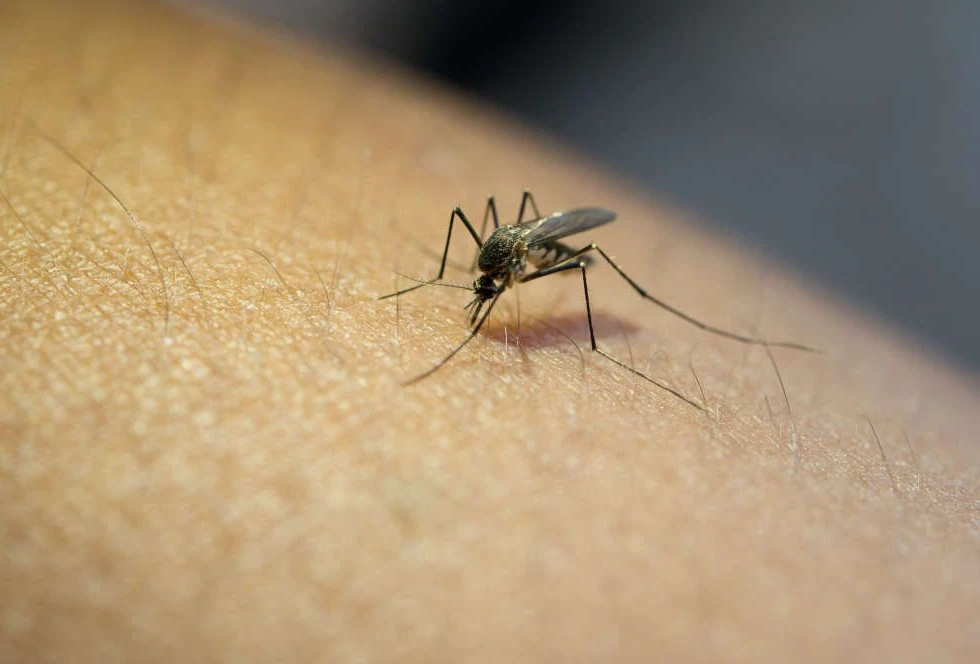
Infected insect bites can sometimes lead to complications such as Lyme Disease, Scabies, or Malaria if left untreated.
Through the NHS Pharmacy First service, pharmacies can now provide quick and convenient treatment without the need for a GP appointment. Insect bites are especially common during the summer months, so early treatment is important to help prevent infection and complications.
Please complete the form below and our pharmacist will arrange a call back within 2 hours.
Gate2pharma - Helping the local community & delivering nationwide.
Insect Bite Symptoms
Infected insect bites can often appear similar to non-infected bites, making it difficult to recognise the difference. However, there are several key signs that may indicate a bite has become infected, helping to distinguish it from a normal insect bite.
Common insect bite
✓ Blistering
✓ Bruising
✓ Itchiness
✓ Rashes
✓ Swollen bite
Infected insect bite
✓ Chills
✓ Fever
✓ Increased pain levels around the bite
✓ Pus
✓ Swelling and redness around the bite
✓ Swollen glands
It is important to monitor insect bites closely for any signs of infection. If you are concerned that your bite may be infected, you can book a consultation with our pharmacist through the FREE NHS Pharmacy First service.
Treatment
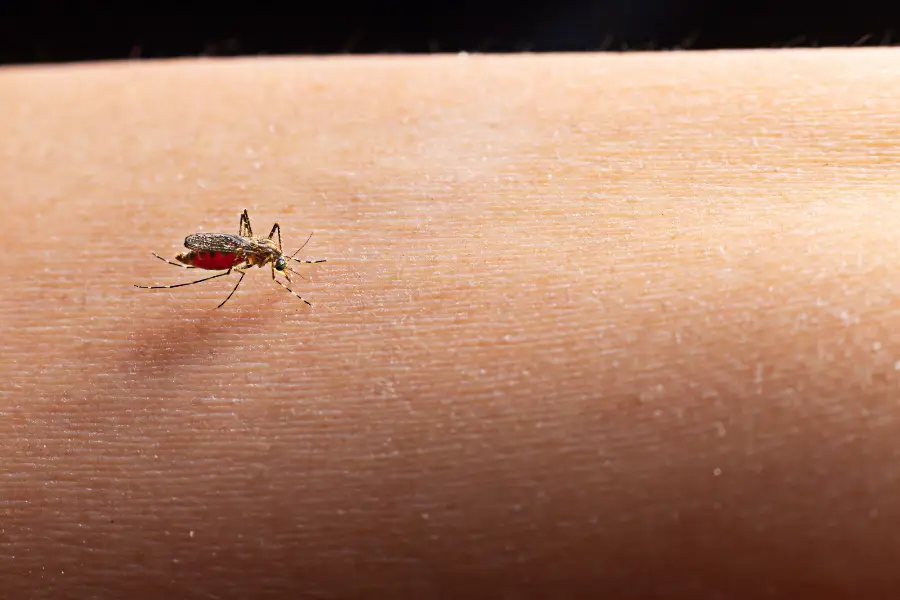
Treatment options for infected insect bites can vary depending on the severity of the symptoms. A pharmacist may recommend antihistamines, steroid creams, or pain relief medication to help reduce itching, swelling, discomfort, and irritation caused by the bite.
In more severe cases, oral antibiotics may be prescribed where appropriate to help treat the infection. Through the NHS Pharmacy First service, pharmacists can assess your symptoms and provide suitable treatment without the need for a GP appointment.
Who is at risk?
According to the NHS, anyone can be bitten by an insect, but some people may be more at risk of experiencing severe reactions or complications. This includes:
Young children and older adults
People with allergies or a history of severe allergic reactions
Individuals spending time outdoors, especially during summer
People travelling to areas where insect-borne diseases such as Malaria are more common
Those with weakened immune systems or damaged skin
The NHS also advises that scratching bites can increase the risk of infection.
Complications
According to the NHS, most insect bites and stings improve within a few days. However, complications can occasionally occur, particularly if the bite becomes infected or triggers an allergic reaction. Possible complications may include:
Skin infections such as cellulitis
Severe allergic reactions (anaphylaxis)
Swelling and increased pain around the bite area
Rare insect-borne illnesses, depending on travel history and exposure
Scarring caused by excessive scratching or infection
The NHS advises seeking medical advice if symptoms worsen, spread, or do not improve.