


PHARMACY FIRST
Shingles
Shingles is a common viral condition caused by the same virus as chickenpox and only affects people who have previously had chickenpox. It commonly appears as a painful rash or line of blisters on the chest or face. Access to prescription treatment may be available through the NHS Pharmacy First service. To get started, click Book Now and complete the consultation form.
Please complete the form below and our pharmacist will arrange a call back within 2 hours.
Gate2pharma - Helping the local community & delivering nationwide.
Shingles Symptoms
Common symptoms of shingles include:
✓ Vision changes or eye involvement (when the rash affects the face)
✓ A painful blistering rash, often appearing as a band or strip on one side of the body
✓ Burning, tingling, or itchy skin
✓ Fatigue
✓ Fever
✓ Headache
✓ Sensitivity to light
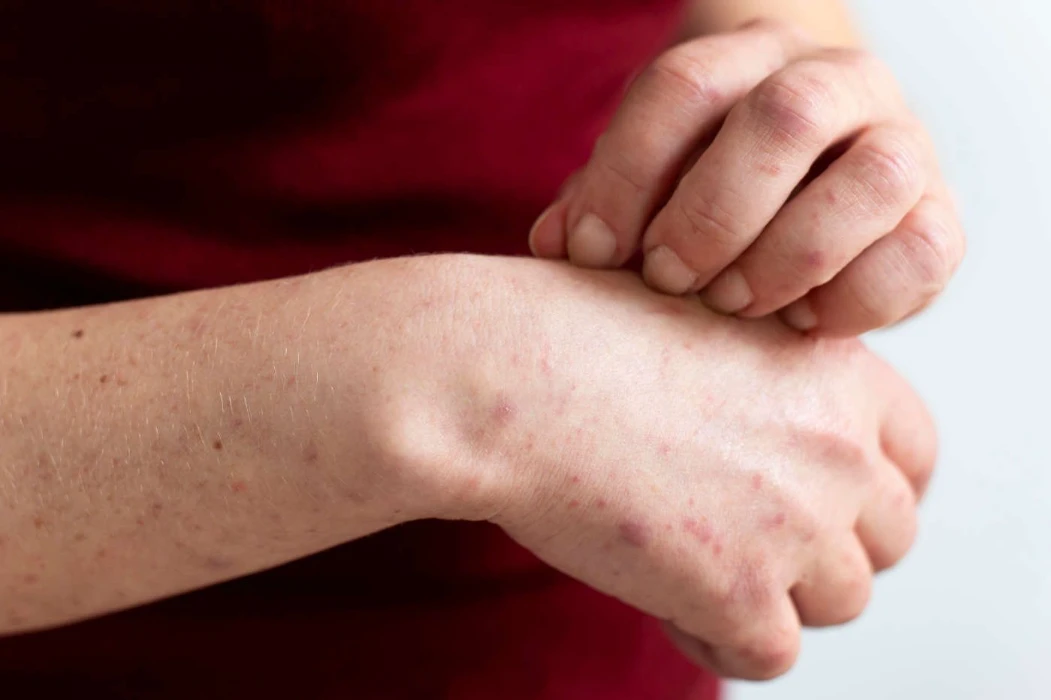
The shingles rash is one of the most common and uncomfortable symptoms and can last between 2–4 weeks. In the early stages, the rash may appear flat and red before developing into fluid-filled blisters within a few days. These blisters can sometimes contain blood and may eventually burst as part of the normal healing process. After around 7–10 days, the blisters begin to dry out and form scabs, which gradually fall away as the skin heals.
Treatment
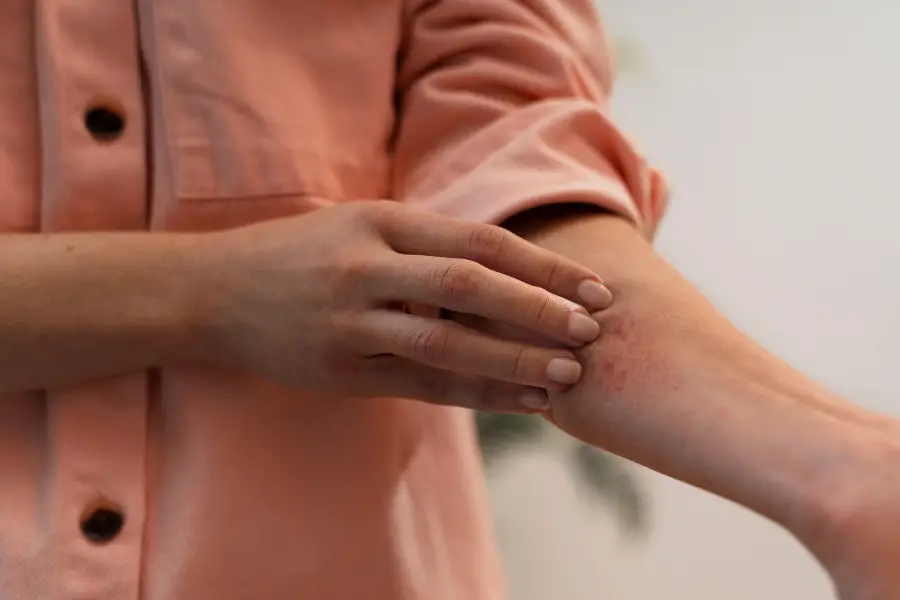
Antiviral medication is most effective when started within 72 hours of symptoms appearing and can help reduce the severity and duration of shingles. In some cases, your pharmacist may still recommend antiviral treatment after this period if it is considered beneficial. Over-the-counter pain relief and topical treatments may also be advised to help ease pain, itching, and discomfort associated with the rash.
Who is at risk?
Two of the main risk factors for shingles are increasing age and a weakened immune system. People over the age of 50 are at greater risk, as the immune system naturally becomes less effective with age. A weakened immune system may also result from certain medications, such as corticosteroids or chemotherapy, as well as underlying conditions including autoimmune diseases. If you are in a higher-risk group, recognising the early signs of shingles and seeking prompt treatment is important to help reduce symptoms and complications.
Complications
While most cases of shingles resolve within a few weeks, complications can occasionally occur. Secondary bacterial infections of the rash may require antibiotic treatment, and some individuals may experience scarring of the affected skin. If shingles involves the area around the eyes, it can lead to serious eye complications and potential vision impairment. In rare cases, shingles may also cause Ramsay Hunt syndrome, which can affect the facial nerves and hearing.
Seeking prompt treatment is essential to help reduce the risk of complications. If you develop symptoms of shingles, you can arrange an assessment through the NHS Pharmacy First service or consult your GP. Early diagnosis and treatment can significantly improve recovery and reduce the likelihood of long-term effects.